

March 11, 2026
Leah Ballantyne, RELAW Coordinator
The Respect for All Relations (R4AR) research program is a partnership between four First Nations cohorts, university researchers, and environmental organizations based at the University of British Columbia Faculty of Law. The program explores how, if at all, Indigenous and settler-colonial legal systems in British Columbia can work together—or separately—to foster healthier relationships between humans and our more-than-human relations, and between settler and Indigenous societies and worldviews.
The R4AR program aims to support the revitalization of Indigenous laws that govern respectful relationships with “all relations,” while also examining how settler-colonial legal frameworks may be reformed to reduce harm to Indigenous peoples and to the lands and waters.
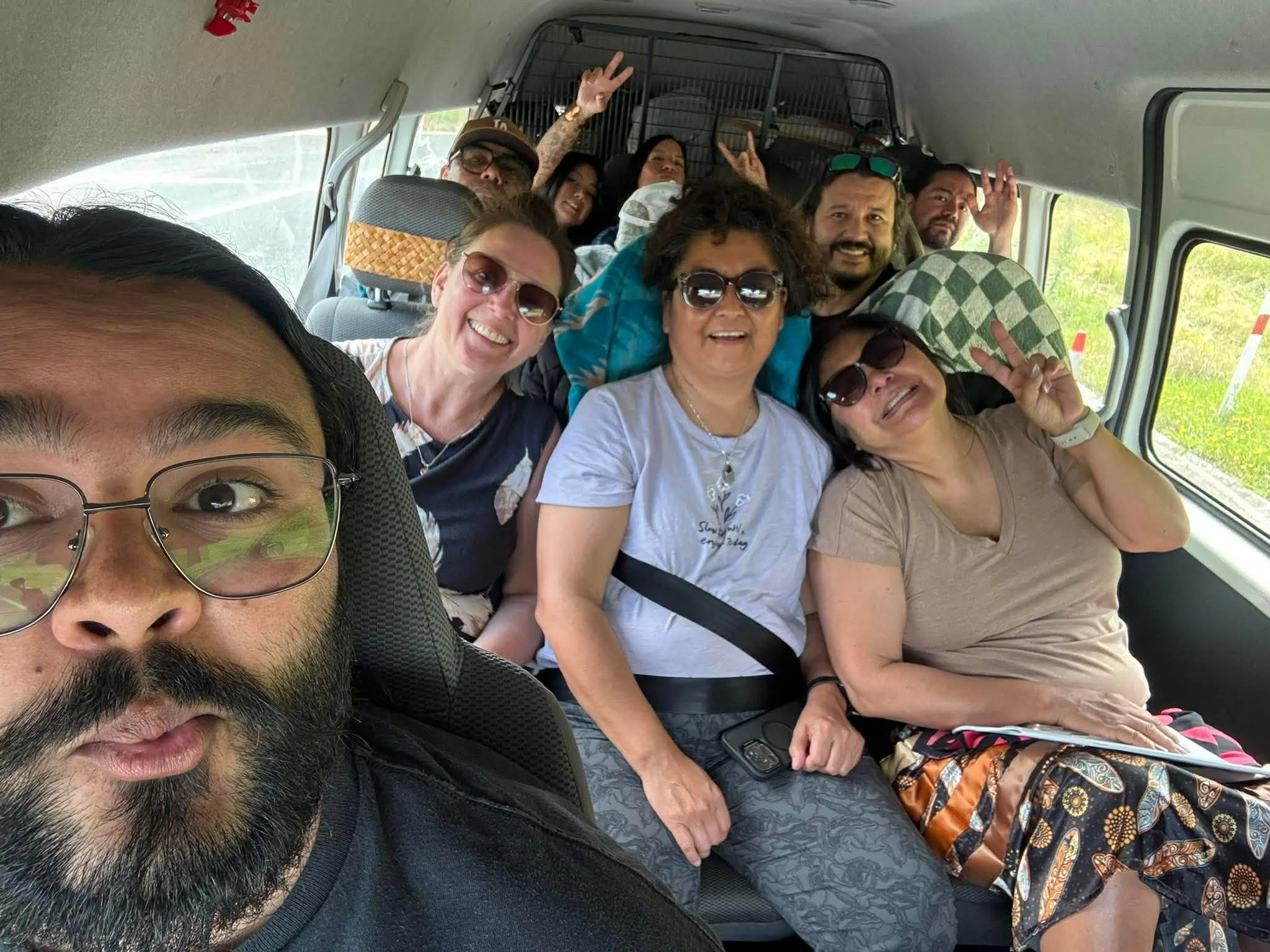
A central component of the program is knowledge-sharing and solidarity-building visits between Indigenous Nations. Through these exchanges, leaders, Elders, knowledge holders, and staff from the four First Nations partner organizations visit Māori communities in Aotearoa (New Zealand), where innovative approaches to Indigenous legal resurgence and transformed human-nature relationships are being implemented.
The visit to Aotearoa had two primary goals:
1. To exchange knowledge and experiences related to the resurgence of Indigenous laws and the development of healthier relationships between humans and the natural world.
2. To build cross-national relationships and solidarity among Indigenous peoples pursuing decolonization and self-determination in different parts of the world.
This visit marked the first international exchange of this kind within the R4AR program.
The visit created meaningful opportunities for participating Nations and iwi to learn from one another about their respective efforts to uphold enduring Indigenous laws, honour ancestors and relatives within the natural world, and renegotiate relationships with settler governments in the face of historical and ongoing settler-colonial disruption.
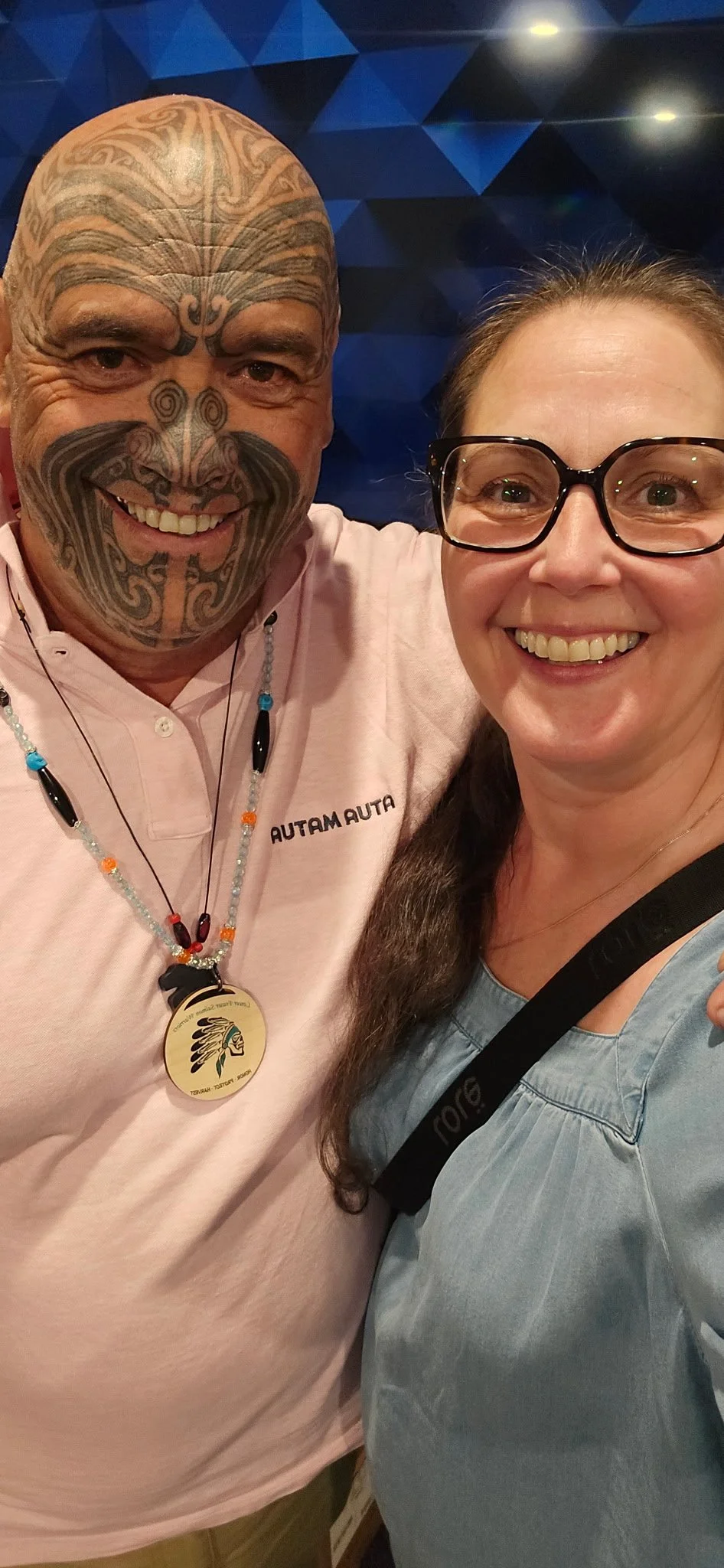
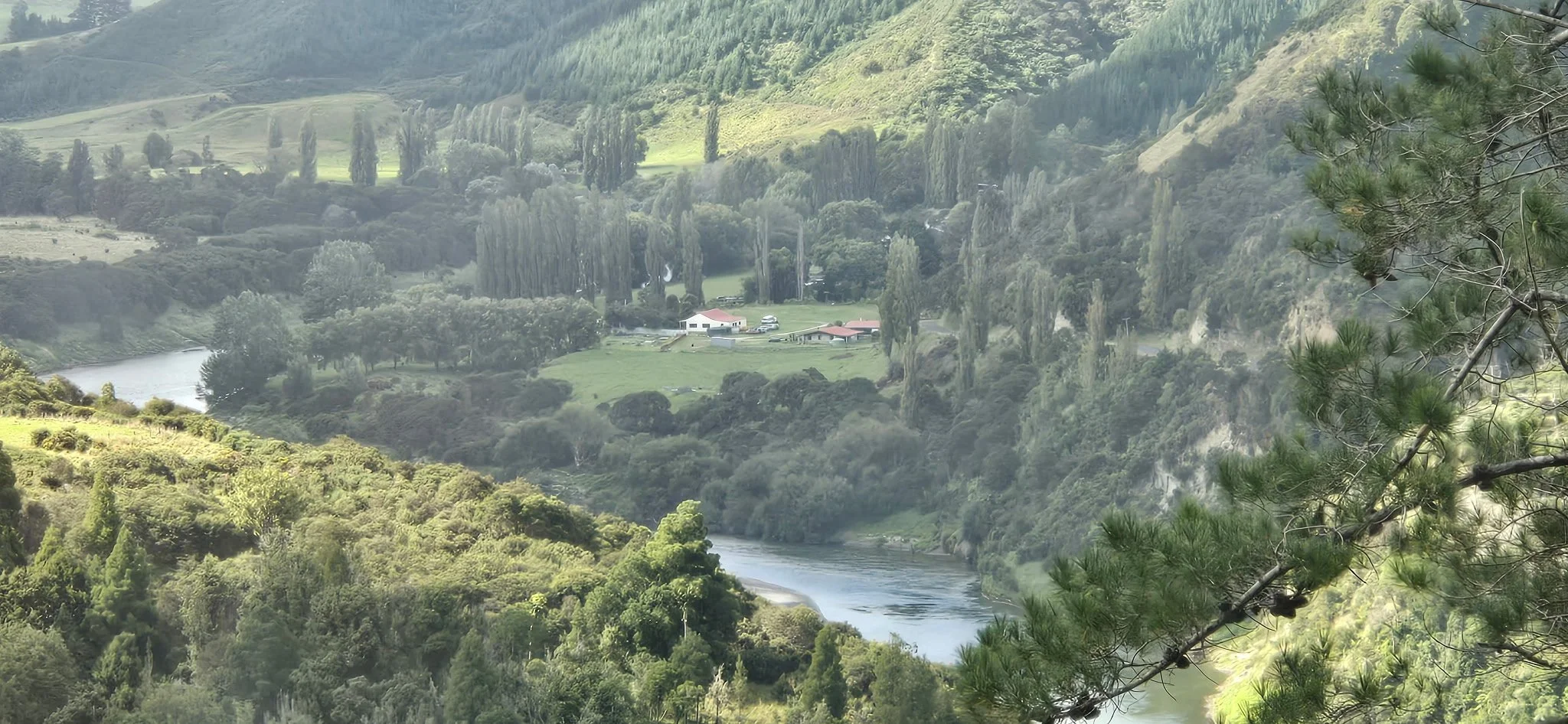
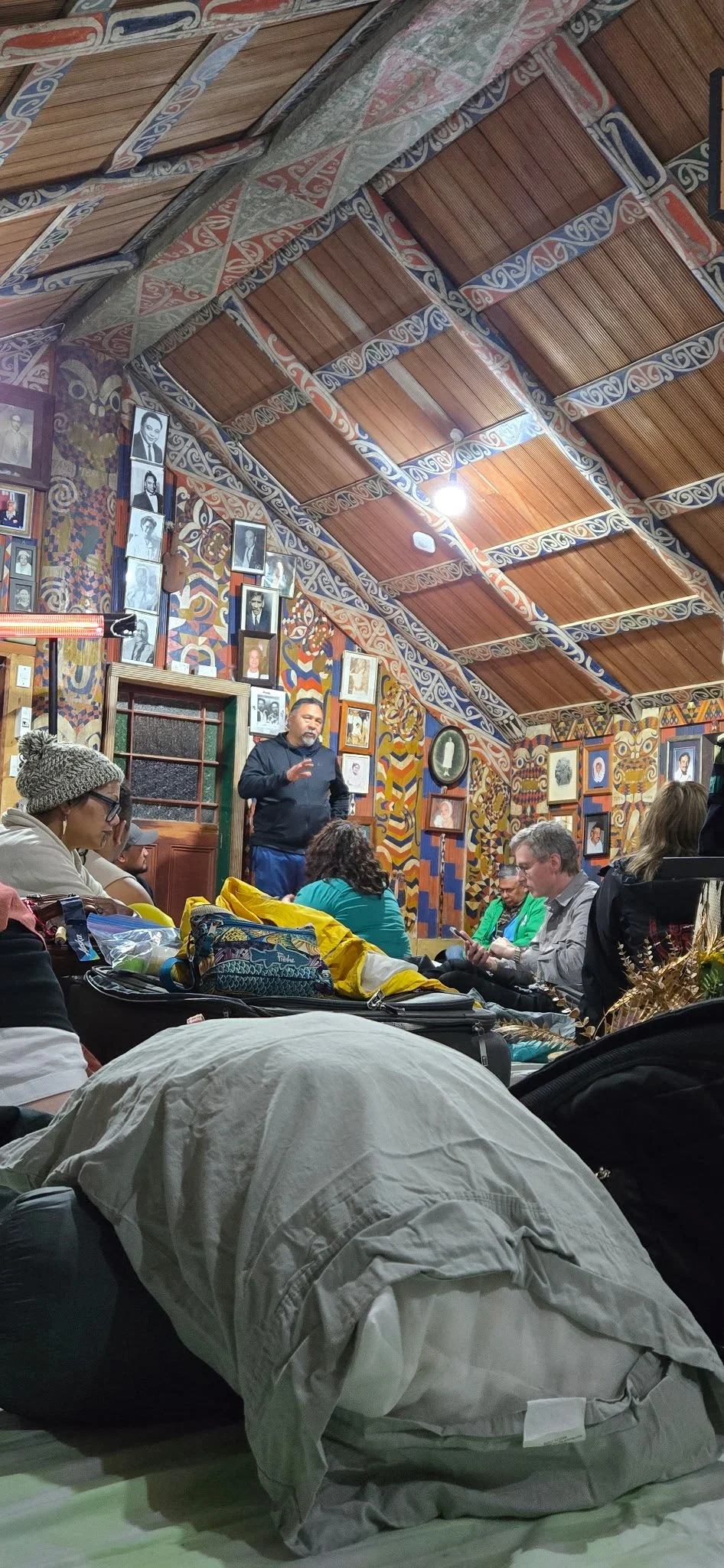
Throughout the visit, the delegation engaged in kōrero with Rangatira on several marae, sharing knowledge, participating in ceremony, and learning directly from the lands and waters themselves. Meetings were also held with Te Uru Taumatua and the Te Urewera Board in Tāneatua, and the delegation visited Te Urewera, Te Pou Tupua (the Whanganui River), and Te Tōpuni Kōkōrangi. These Māori governance initiatives represent the human guardians of ancestral landscapes and waters that have been recognized as legal persons through Treaty of Waitangi settlements and New Zealand legislation.
In total, the delegation met with and stayed at seven marae. The final two marae were located within iwi territories where both a river and a forest have been granted legal personhood. These visits provided important opportunities to learn directly from Māori hosts about the development of legal personhood frameworks and the practical impacts these governance structures have had within their communities.
The delegation also visited Te Wānanga o Raukawa, a Māori tertiary education provider offering a range of undergraduate and postgraduate certificate, diploma, and degree programs. During this visit, each delegation was invited to present to students, sharing insights from their Nations and experiences in Indigenous law revitalization.
Following the visit, members of the delegation will share knowledge and reflections with the Lower Fraser First Nations Alliance (LFFA) through upcoming forums and gatherings in the months ahead.